 listicle
Best Faith-Based Marriage Coaching Programs (2026)
Table of Contents
- How We Evaluated These Faith-Based Marriage Coaching Programs
- Quick Comparison: Top Faith-Based Marriage Coaching Programs
- Marriage Coaching vs Counseling: Understanding the Difference
- The Programs: Detailed Breakdown
- 1. Faithful Family Coaching, Best for Deep Pattern Work
- 2. PREPARE/ENRICH, Best for Assessment-Driven Couples
- 3. The Marriage Course (Alpha), Best for Low-Barrier Entry
- 4. Ultimate Marriage, Best Self-Paced Online Option
- 5. Focus on the Family Marriage Resources, Best Free Starting Point
- 6. Christian Marriage Retreats, Best for Immersive Renewal
- 7. Stronger Marriages (Trey & Lea), Best for Workshop-Style Learning
- 8. Catholic Marriage Prep, Best for Pre-Cana Requirements
- Christian Marriage Intensives: When Weekly Sessions Aren't Enough
- What to Expect in Marriage Coaching: Session by Session
- Financial Assistance and Sliding Scale Options
- Which Program Is Right for Your Marriage?
Last Updated: August 26, 2026
Most couples searching for faith based marriage coaching don't know whether they need a coach, a counselor, a retreat, or a self-paced course. This guide from Faithful Family Coaching evaluates eight widely used Christian marriage programs side by side, so you can match the right format to where your marriage actually is.
Quick Picks:
- Best for Deep Pattern Work: Faithful Family Coaching, identifies the emotional patterns beneath recurring conflict
- Best Assessment-Driven: PREPARE/ENRICH, research-backed tools for premarital and married couples
- Best Free Starting Point: Focus on the Family, extensive free resources and referral network
- Best Self-Paced Online: Ultimate Marriage, structured six-week biblical program at an accessible price
- Best Low-Barrier Entry: The Marriage Course (Alpha), seven sessions, no prior faith background required
How We Evaluated These Faith-Based Marriage Coaching Programs
Every program was assessed against five criteria: theological grounding, format flexibility, personalization depth, accessibility, and measurable structure.
| Criterion | What We Looked For |
|---|---|
| Theological grounding | Biblical principles woven into method, not just branding |
| Format flexibility | Virtual, in-person, or self-paced options |
| Personalization depth | Customized feedback vs. generic curriculum |
| Accessibility | Cost, availability, and barrier to entry |
| Measurable structure | Clear sessions, outcomes, or assessment tools |
Quick Comparison: Top Faith-Based Marriage Coaching Programs
| Program | Format | Best For | Starting Cost |
|---|---|---|---|
| Faithful Family Coaching | 1-on-1 coaching | Deep emotional pattern work | Contact for pricing |
| PREPARE/ENRICH | Assessment + facilitator | Premarital and newlyweds | $35 + facilitator fees |
| The Marriage Course (Alpha) | 7-session group course | Low-barrier entry | Varies by church |
| Ultimate Marriage | 6-week online program | Self-paced biblical study | $99 one-time |
| Focus on the Family | Resource library + referrals | Free starting point | Free |
| Christian Marriage Retreats | Weekend immersive | Immersive renewal | $475-$950+ per couple |
| Stronger Marriages | Workshops + podcast | Workshop-style learning | Free podcast; workshop varies |
| Catholic Marriage Prep | Online mentor-led | Pre-Cana requirements | Contact for pricing |
Marriage Coaching vs Counseling: Understanding the Difference
Marriage coaching is a forward-focused, skills-based process that helps couples identify patterns and build communication tools. Marriage counseling is a clinical intervention led by a licensed therapist, typically addressing diagnosed mental health conditions, trauma, or acute crisis.
Coaching is not regulated the same way therapy is. Counseling sessions may qualify for insurance reimbursement; coaching typically does not. According to the American Association for Marriage and Family Therapy, licensed marriage and family therapists complete graduate-level clinical training and state licensure requirements (aamft.org).
Faith-integrated coaching adds a third layer: biblical principles woven into the process. The best faith based marriage coaching programs sit in a distinct space: professionally structured, spiritually grounded, and focused on practical relationship restoration rather than diagnosis.
The Programs: Detailed Breakdown
Faith-based marriage coaching programs range from one-on-one personalized work to group courses to weekend retreats.
1. Faithful Family Coaching, Best for Deep Pattern Work
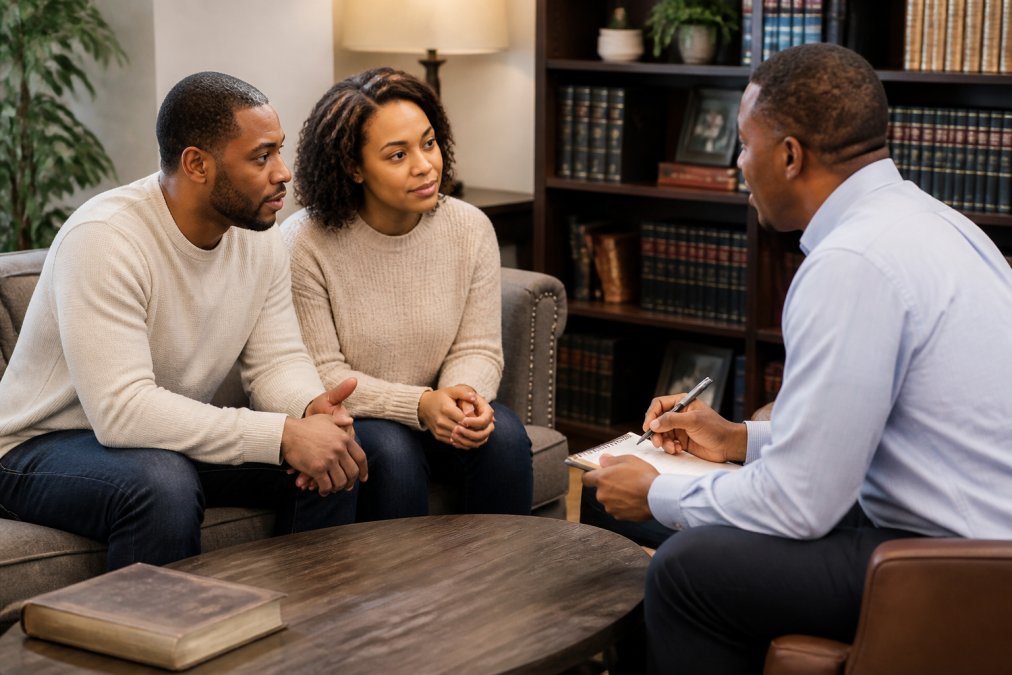
Most marriage programs address symptoms. Faithful Family Coaching focuses on the emotional patterns beneath recurring conflict rather than offering surface-level communication scripts. Many couples who arrive have already tried counseling or a retreat and found that relief was temporary because underlying patterns were never addressed.
What works: The focus on deep-seated emotional dynamics means couples leave with self-awareness, not just a toolkit. The faith-centered approach integrates biblical principles into pattern identification, so spiritual and relational growth happen together.
Who it's for: Couples experiencing the same fight on repeat who want to understand why, not just manage it better.
2. PREPARE/ENRICH, Best for Assessment-Driven Couples
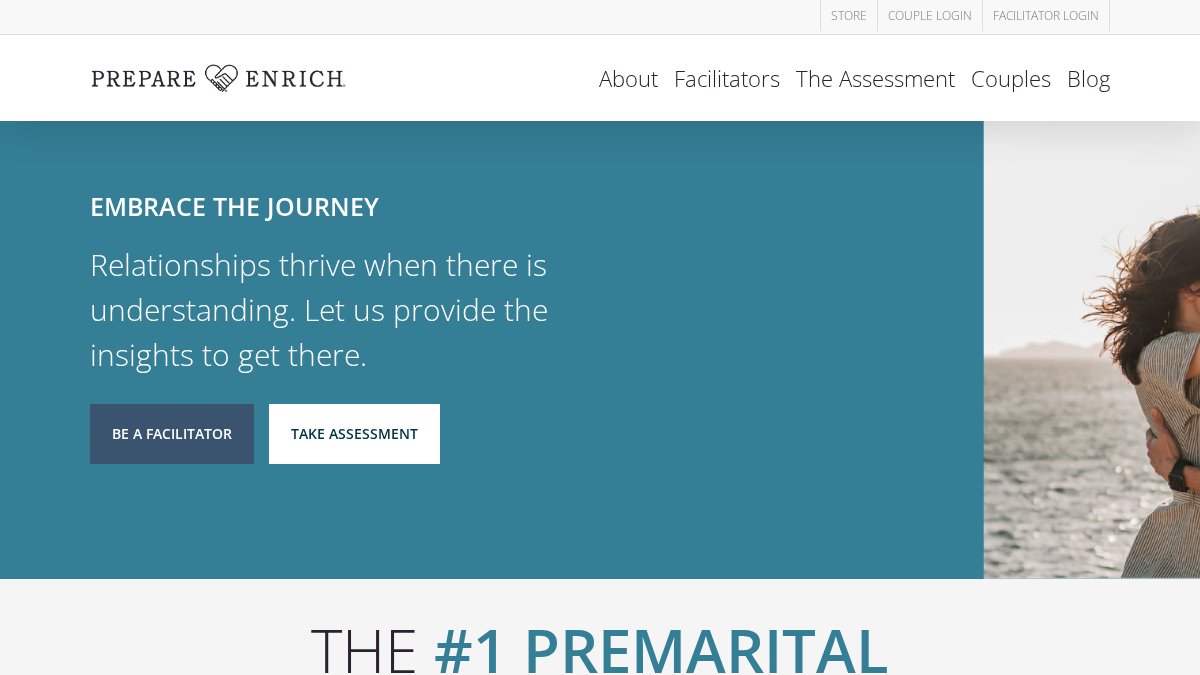
PREPARE/ENRICH is a research-backed assessment tool in the Christian marriage space. It uses a validated questionnaire to generate a customized couple report, which a trained facilitator walks through with the couple across several sessions. The assessment covers communication, conflict resolution, financial management, and spiritual beliefs.
What works: The data-driven approach appeals to couples skeptical of "feelings-based" programs. Seeing relationship strengths and growth areas mapped out concretely changes the conversation.
Best for: Engaged couples, newlyweds, or couples wanting a structured starting point with measurable benchmarks.
3. The Marriage Course (Alpha), Best for Low-Barrier Entry
The Marriage Course is a seven-session course covering communication, conflict resolution, and emotional intimacy. Couples attend sessions together, then have private conversations with each other rather than sharing with the group.
What works: The private conversation format removes the vulnerability barrier that keeps many couples from engaging with group programs.
Best for: Couples wanting a structured, faith-based course but not ready for one-on-one coaching.
4. Ultimate Marriage, Best Self-Paced Online Option
Ultimate Marriage is a six-week online program by Dale and Veronica Partridge, built on biblical theology with weekly video lessons and practical challenges covering theology, roles, intimacy, money, children, and purpose.

Pricing: $99 one-time purchase.
What works: The price point is accessible, the content is theologically substantive, and the private online community adds peer accountability.
Best for: Couples who prefer to learn on their own schedule and have the discipline to complete a six-week program without external accountability.
5. Focus on the Family Marriage Resources, Best Free Starting Point
Focus on the Family offers one of the largest free libraries of Christian marriage content available, including articles, radio broadcasts, and free phone consultations with counselors. The free phone consultation helps couples identify what kind of support they need and get referrals to licensed Christian counselors or intensive retreats.

What works: The breadth of free content is unmatched for couples at the beginning of seeking help.
Best for: Couples exploring their options or looking for a free entry point before committing to a paid program.
6. Christian Marriage Retreats, Best for Immersive Renewal
A marriage retreat removes couples from their daily environment and places them in a structured, distraction-free setting for focused relational work. Many retreats combine biblical teaching, professional facilitation, and time for private couple conversation.
Pricing: Ranges from approximately $475 to $950 or more per couple depending on the retreat, lodging, and duration. According to Focus on the Family's retreat referral network, there are retreat options across the country for couples at various stages.
What works: The immersive format creates breakthroughs that weekly sessions rarely produce. Removing daily noise gives couples space to actually hear each other.
Best for: Couples who feel stuck and need a circuit-breaker moment, or those who've been doing weekly work and want to accelerate progress.
7. Stronger Marriages (Trey & Lea), Best for Workshop-Style Learning
Stronger Marriages offers weekend workshops, books, and a podcast focused on practical, faith-based marriage enrichment. Workshops are designed to feel unintimidating, with no forced sharing or public vulnerability.
What works: The workshop format is genuinely approachable for couples resistant to "therapy-adjacent" programs.
Best for: Couples in a relatively healthy marriage wanting enrichment and practical tools, or as a first step for couples hesitant to engage with more intensive formats.
8. Catholic Marriage Prep, Best for Pre-Cana Requirements
Catholic Marriage Prep offers an online, mentor-led Pre-Cana program rooted in Saint John Paul II's Theology of the Body. It's designed specifically for engaged Catholic couples.
What works: One-on-one mentoring from a certified married couple adds genuine personalization. The theological depth is substantial.
Best for: Engaged Catholic couples fulfilling Pre-Cana requirements who want a flexible, online format with real mentoring.
Christian Marriage Intensives: When Weekly Sessions Aren't Enough
Christian marriage intensives are concentrated programs, typically two to four days, that compress months of coaching work into a short, focused window. They're designed for couples in crisis or couples stuck in the same patterns despite ongoing weekly work. The intensive format works because it removes the week-long gap where couples often revert to default patterns. According to the American Association of Christian Counselors, intensive formats are increasingly recognized as effective for couples facing significant relational distress (aacc.net).
Virtual vs. In-Person Intensive Formats
In-person intensives offer the highest level of immersion. Couples travel to a dedicated location and engage in extended sessions with a coach or counselor. The environmental shift itself contributes to breakthrough.
Virtual intensives are more accessible for couples with travel constraints or geographic limitations. The trade-off is that the home environment can introduce distractions that undercut the intensity.
What to Expect in Marriage Coaching: Session by Session
Marriage coaching typically begins with an intake process where the coach gathers background on relationship history, current conflict patterns, and each partner's goals. Early sessions focus on establishing safety and identifying patterns beneath presenting problems. Mid-program sessions shift toward skill-building: communication frameworks, conflict resolution tools, and practices that rebuild emotional intimacy. Later sessions focus on sustainability: building habits that hold without a coach and creating accountability structures that outlast the program.

Coaching for Specific Life Stages
Faith based marriage coaching looks different depending on where a couple is:
- Pre-marital: Communication patterns, conflict resolution styles, and aligning expectations
- Early marriage (0-5 years): Establishing healthy habits before negative patterns calcify
- Parenting years: Managing relational strain that children introduce
- Mid-marriage: Addressing drift that accumulates when couples prioritize everything except each other
- Post-crisis: Rebuilding trust after infidelity, addiction, or significant betrayal
PREPARE/ENRICH is strongest for pre-marital work. Faithful Family Coaching's pattern-focused approach is particularly effective for mid-marriage drift and post-crisis rebuilding. Retreats and intensives work across stages.
Financial Assistance and Sliding Scale Options
Cost is a real barrier for many couples. Church-sponsored programs often subsidize offerings like The Marriage Course or host retreats at reduced cost for members. Some individual coaches offer sliding scale fees based on income. Many employers offer EAP benefits covering a limited number of counseling or coaching sessions. Organizations like Focus on the Family provide free initial consultations and can connect couples with subsidized resources. If cost is the primary constraint, a program like Ultimate Marriage at a one-time fee provides structured biblical content while couples save toward more personalized coaching.
Which Program Is Right for Your Marriage?
The right program depends on three things: the depth of the issue, the format you'll actually engage with, and your current capacity for commitment.
| Situation | Recommended Starting Point |
|---|---|
| Recurring conflict with no resolution | Faithful Family Coaching, pattern-level work |
| Engaged or newlywed | PREPARE/ENRICH, assessment-driven foundation |
| Want structure but low commitment barrier | The Marriage Course (Alpha) |
| Self-directed learner, limited budget | Ultimate Marriage |
| Exploring options, not ready to commit | Focus on the Family, free resources |
| Need a circuit-breaker moment | Christian Marriage Retreat or Intensive |
| Resistant spouse, low-pressure entry | Stronger Marriages workshops |
| Catholic Pre-Cana requirement | Catholic Marriage Prep |
The biggest mistake couples make is choosing a program based on what feels least uncomfortable rather than what their marriage actually needs. If you've tried programs before and gains didn't last, that's a signal, not that coaching doesn't work, but that the format or depth wasn't matched to the actual problem. According to Psychology Today's overview of couples therapy research, couples who wait an average of six years before seeking help face significantly more entrenched patterns than those who seek support earlier (psychologytoday.com).
The best time to invest in your marriage is before the crisis. The second best time is now.
Recurring conflict that never fully resolves is one of the clearest signs that surface-level approaches aren't reaching the real issue. Faithful Family Coaching is built specifically for couples ready to go beneath the presenting problem and identify the emotional patterns driving disconnection. Through a faith-centered, practically grounded process, couples learn to communicate differently, connect more deeply, and build habits that hold. Apply to work with Faithful Family Coaching and start building a marriage that actually changes.
=== FAQ ANSWERS (audit these too, same rules) ===
[1] Q: How do faith-based marriage coaching programs differ from traditional therapy? A: Traditional therapy is typically led by a licensed mental health professional focused on diagnosing and treating psychological conditions. Faith-based marriage coaching integrates biblical principles and spiritual accountability into practical skill-building. Coaching is forward-focused, identifying communication patterns and building new habits, rather than clinically treating past trauma. For couples who want Christ-centered guidance alongside practical tools, coaching fills a gap that secular therapy often leaves open. Some programs combine both approaches through faith-integrated licensed therapists.
[2] Q: Are marriage coaches worth the investment for struggling couples? A: For couples dealing with recurring conflict, emotional distance, or feeling like roommates, a structured coaching program often produces measurable shifts in communication and connection that self-help resources alone don't achieve. The accountability built into regular sessions, combined with a personalized plan, accelerates progress. Faith-based coaching adds the dimension of shared spiritual values, which research consistently links to higher relationship satisfaction among couples who share religious beliefs. The return depends heavily on both partners' willingness to engage honestly.
[3] Q: What is the difference between a marriage intensive and regular weekly coaching? A: Weekly coaching sessions, typically 60 to 90 minutes, build skills gradually over months. A marriage intensive compresses that work into one to three consecutive days, allowing couples to address deeper conflict patterns without the interruption of daily life. Intensives work well for couples in crisis or those who've stalled in weekly sessions. The immersive format creates momentum that's hard to replicate one hour per week. Many faith-based programs offer both formats, and some couples start with an intensive before transitioning to ongoing coaching.
[4] Q: How do I choose the right Christian marriage coach for my specific needs? A: Start by identifying what's actually broken: communication, emotional intimacy, recurring conflict, or spiritual disconnection. Then match the program format to your season, a self-paced course suits couples who need low-pressure entry, while one-on-one coaching suits those with deep-seated patterns. Check whether the coach holds a recognized certification and whether their theological framework aligns with yours. A free consultation or marriage assessment is a practical first step before committing to any program.
[5] Q: What does the Bible say about seeking marriage counseling or coaching? A: Scripture consistently affirms the value of wise counsel. Proverbs 15:22 states that plans fail without counsel, but succeed with many advisers. Proverbs 11:14 echoes this principle. Far from being a sign of weakness, seeking faith-based guidance reflects the biblical model of accountability and community. Marriage ministry rooted in biblical principles helps couples apply scriptural wisdom, on forgiveness, communication, and covenant commitment, to the specific conflicts they face, rather than relying on generic relationship advice.
Frequently Asked Questions
Q: How do faith-based marriage coaching programs differ from traditional therapy?
A: Traditional therapy is typically led by a licensed mental health professional focused on diagnosing and treating psychological conditions. Faith-based marriage coaching integrates biblical principles and spiritual accountability into practical skill-building. Coaching is forward-focused, identifying communication patterns and building new habits, rather than clinically treating past trauma. For couples who want Christ-centered guidance alongside practical tools, coaching fills a gap that secular therapy often leaves open. Some programs combine both approaches through faith-integrated licensed therapists.
Q: Are marriage coaches worth the investment for struggling couples?
A: For couples dealing with recurring conflict, emotional distance, or feeling like roommates, a structured coaching program often produces measurable shifts in communication and connection that self-help resources alone don't achieve. The accountability built into regular sessions, combined with a personalized plan, accelerates progress. Faith-based coaching adds the dimension of shared spiritual values, which research consistently links to higher relationship satisfaction among couples who share religious beliefs. The return depends heavily on both partners' willingness to engage honestly.
Q: What is the difference between a marriage intensive and regular weekly coaching?
A: Weekly coaching sessions, typically 60 to 90 minutes, build skills gradually over months. A marriage intensive compresses that work into one to three consecutive days, allowing couples to address deeper conflict patterns without the interruption of daily life. Intensives work well for couples in crisis or those who've stalled in weekly sessions. The immersive format creates momentum that's hard to replicate one hour per week. Many faith-based programs offer both formats, and some couples start with an intensive before transitioning to ongoing coaching.
Q: How do I choose the right Christian marriage coach for my specific needs?
A: Start by identifying what's actually broken: communication, emotional intimacy, recurring conflict, or spiritual disconnection. Then match the program format to your season, a self-paced course suits couples who need low-pressure entry, while one-on-one coaching suits those with deep-seated patterns. Check whether the coach holds a recognized certification and whether their theological framework aligns with yours. A free consultation or marriage assessment is a practical first step before committing to any program.
Q: What does the Bible say about seeking marriage counseling or coaching?
A: Scripture consistently affirms the value of wise counsel. Proverbs 15:22 states that plans fail without counsel, but succeed with many advisers. Proverbs 11:14 echoes this principle. Far from being a sign of weakness, seeking faith-based guidance reflects the biblical model of accountability and community. Marriage ministry rooted in biblical principles helps couples apply scriptural wisdom, on forgiveness, communication, and covenant commitment, to the specific conflicts they face, rather than relying on generic relationship advice.
This article was written using GrandRanker