 how-to
How to Prepare for Christian Marriage Coaching
Table of Contents
- Start with Prayer and a Readiness Assessment
- Know the Difference: Christian Marriage Counseling vs Coaching
- Set Shared Goals and Expectations for Your Marriage Coaching
- Prepare Your Hearts and Minds for the Process
- Questions to Ask a Marriage Coach Before You Commit
- How Long Is Marriage Coaching and What to Expect in the First Session
- Conclusion: Take the First Faithful Step
- Frequently Asked Questions
Last Updated: October 8, 2026
Start with Prayer and a Readiness Assessment
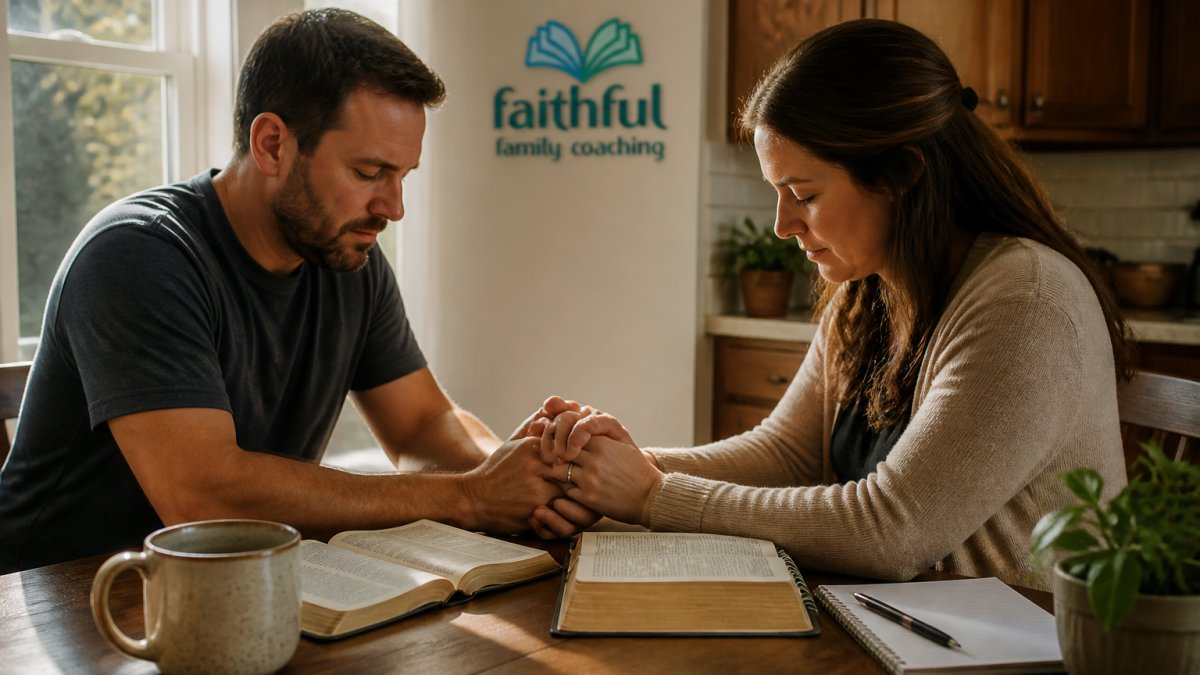
Christian marriage coaching works best when you begin with prayer and an honest look at where your marriage stands today, and that is exactly where Christian marriage coaching starts.
So before you book anything, slow down. Ask God to show you what needs attention.
A readiness assessment helps you name the real issues instead of guessing. Many couples find that what they argue about is not the actual problem.
Using Christian Marriage Assessment Tools to Pinpoint Focus Areas
Christian marriage assessment tools are structured questionnaires that help couples identify strengths and growth areas before coaching begins. They turn vague feelings into specific topics you can actually work on.
A common approach is to use one tool for communication and another for conflict patterns. Then bring the results to your first session.
- Look for tools that cover communication, conflict, finances, and faith
- Take the assessment separately, then compare answers together
- Expect some discomfort. Honest answers surface real patterns
- Share results with your coach so sessions start with focus, not guesswork
The goal is not a score. It is a map.
Know the Difference: Christian Marriage Counseling vs Coaching
Christian marriage counseling vs coaching is the question we hear most from couples before they start. The two overlap in language but differ in purpose, training, and how you pay for them. Getting this right saves months of frustration and money spent on the wrong kind of help.
Three Options, Three Purposes
- Marriage coaching builds forward motion: communication skills, conflict patterns, shared goals, and accountability. Coaches are typically trained through a coaching program or certification body, not licensed as clinicians.
- Premarital counseling prepares couples who are engaged or seriously considering marriage. It is often led by a pastor, a licensed counselor, or a trained mentor couple, and it usually follows a set curriculum over six to twelve sessions.
- Therapy treats wounds, trauma, mental health conditions, and crisis. Therapists are licensed by their state, and their work is often covered in part by insurance.
Coaching is not therapy, and it does not replace it.
| Factor | Premarital Counseling | Coaching | Therapy |
|---|---|---|---|
| Main focus | Preparing for marriage | Building future habits | Healing past wounds and treating conditions |
| Typical leader | Pastor, licensed counselor, or mentor couple | Trained coach or mentor | Licensed therapist (LPC, LMFT, LCSW, psychologist) |
| Format | Curriculum-based, often 6-12 sessions | Goal-driven sessions, often 8-12 | Open-ended or structured treatment |
| Insurance | Usually not covered | Not covered | Often partially covered |
| Best for | Engaged or newly married couples | Growth, skills, accountability | Crisis, trauma, diagnosis, mental health concerns |
How to Choose
Ask three questions:
- Is there active crisis, trauma, addiction, or a mental health diagnosis? If yes, start with a licensed therapist or your pastor, not a coach.
- Are you engaged or newly married and want a structured foundation? Premarital counseling is usually the better fit.
- Are you past the foundation stage and want skills, accountability, and forward motion? Coaching fits.
Many couples use more than one at different seasons. Some see a therapist for a specific issue while working with a coach on communication habits. That is not a conflict, it is good stewardship.
What It Typically Costs
Coaching is usually paid out of pocket. Rates vary widely by experience and format, so ask directly rather than guessing. Therapy is more likely to be partially covered by insurance, and many pastors offer premarital counseling at no charge.
Before you commit, ask:
- What is the per-session rate, and is there a package discount?
- Do you offer sliding-scale or reduced rates?
- What is your cancellation and refund policy?
- Do you meet online, in person, or both?
- How many sessions do you typically recommend, and what happens if we need more?
Credentials to Look For
Coaching is not a licensed profession in most states, so credentials vary. Look for training through a recognized coaching organization, a clear statement of scope, and a willingness to refer out. For therapy, verify a current state license, you can check most state licensing board directories online. For pastoral counseling, ask about the pastor's training and whether they hold any clinical credentials.
The American Association for Marriage and Family Therapy explains how to find a licensed therapist if your situation calls for clinical care rather than coaching.
Set Shared Goals and Expectations for Your Marriage Coaching
Shared goals are what separate coaching that sticks from coaching that fades. Couples who agree on two or three clear goals before the first session move faster and argue less about the process.
Write your goals down. Keep them specific.
- "We want to stop the same fight from repeating every month"
- "We want to pray together daily without it feeling forced"
- "We want to disagree without one of us shutting down"
Then agree on the ground rules: attend every session, do the homework, and speak honestly even when it is hard.
Goal alignment also means agreeing on what success looks like. Is it fewer blowups? More connection? A decision made together? Name it.
Prepare Your Hearts and Minds for the Process
Preparation is not just logistics. It is heart work. Couples who come ready to listen, not defend, get far more from every session.
Here is how to get ready:
- Pray for soft hearts before each meeting
- Agree that the goal is understanding, not winning
- Commit to doing the exercises between sessions
- Keep a shared journal of what you are learning
- Expect one or two uncomfortable conversations
Focus on the Family's marriage resources offers free articles and conversation starters that help couples warm up before coaching begins.
Personal conversations between sessions matter as much as the sessions themselves. The coach guides. You two do the daily work.
Questions to Ask a Marriage Coach Before You Commit
Good questions protect your time and your marriage. Ask them before you pay for anything, and listen for honest, specific answers.
- What training and background do you have?
- How do you handle it when one spouse is hesitant?
- What does a typical session look like?
- How do you measure progress?
- What is your approach when issues feel deep or complicated?
- How do you handle referrals if we need a licensed counselor?
A trustworthy coach will welcome these questions. Vague answers are a red flag.
How Long Is Marriage Coaching and What to Expect in the First Session
Marriage coaching typically runs in short cycles, with the option to continue if the work is bearing fruit. Exact timelines vary by coach and by how much you both put in.
What Happens in the First Session
The first session is usually structured, not open-ended. A common pattern looks like this:
- Intake and ground rules. The coach reviews your intake form, explains confidentiality and its limits, and sets expectations for honesty, turn-taking, and homework.
- Story and goals review. Each of you briefly describes why you are here and what you want to change. The coach listens for patterns, not blame.
- Assessment review. If you completed an assessment, the coach walks through the results and names two or three focus areas.
- One or two tools. You leave with something concrete to try that week, a communication exercise, a conflict pause, or a shared prayer rhythm.
- Plan for the next few sessions. The coach outlines what the next three or four meetings will cover so you know what is coming.
Expect questions, not lectures. Expect homework. Expect the coach to ask both of you to speak, not just the louder one.
Intake Questions You Will Likely Be Asked
Most intake forms and first-session conversations cover the same ground. Knowing this ahead of time lowers the anxiety and speeds up the work:
- How long you have been together and how you met
- What prompted you to seek coaching now
- How you handle disagreement and repair after conflict
- Your family backgrounds and any patterns you want to avoid repeating
- How you handle money, roles, and decision-making
- Your faith backgrounds, current church involvement, and prayer habits
- Any prior counseling, coaching, or pastoral care
- Any safety concerns, past or present
Answer honestly. A coach cannot help with what you hide.
Confidentiality and Its Limits
Coaching conversations are generally confidential, but most coaches disclose a few standard exceptions up front: risk of harm to self or others, suspected abuse or neglect of a child or vulnerable adult, and in some cases a court order. Coaches are not licensed therapists, so they are not bound by the same legal confidentiality framework as a licensed clinician.
How Goals Get Set
Goals are usually set in the first or second session and revisited every few weeks. A good coaching goal is specific, measurable, and shared, not one spouse's wish imposed on the other.
Progress is measured by changed patterns, not perfect weeks. Real transformation takes time and steady effort.
The American Association for Marriage and Family Therapy explains how to find a licensed therapist if your situation calls for clinical care rather than coaching.
Conclusion: Take the First Faithful Step
The hardest part of preparation is often the first honest conversation. You do not need to have everything figured out before you begin. You need willing hearts and a clear next step.
Faithful Family Coaching helps couples move past surface-level advice by identifying the deep-seated emotional patterns behind conflict.
Get started with Faithful Family Coaching and take the first faithful step toward the marriage you both want.
Frequently Asked Questions
What should I expect during Christian marriage coaching?
Expect a structured, faith-centered conversation where the coach helps you and your spouse identify patterns beneath recurring conflicts. Sessions typically include prayer, guided discussion, and practical tools for communication and connection. The coach will ask about your goals, your relationship history, and your spiritual walk. You will leave with specific next steps, not just general advice. The focus is on building healthier habits one faithful step at a time, with the coach serving as a mentor and accountability partner.
What is the difference between Christian marriage counseling and coaching?
Christian marriage counseling often addresses clinical issues like trauma, mental health diagnoses, or crisis intervention, and is typically led by a licensed therapist. Coaching, by contrast, is future-focused and skill-based, helping couples set goals, improve communication, and apply biblical wisdom to everyday marriage challenges. Coaching does not diagnose or treat mental health conditions. If you are dealing with abuse, addiction, or severe mental health concerns, a licensed counselor or therapist is the appropriate first step. Many couples use coaching alongside counseling for holistic support.
How long does a typical marriage coaching program last?
The length of marriage coaching varies based on your goals and the coach's framework. During your first session, ask the coach about their typical timeline and how they measure progress. The duration should align with your specific goals, whether that is improving communication, resolving a specific conflict pattern, or deepening spiritual intimacy.
How can we prepare our hearts for marriage coaching?
Start with prayer together, asking God to soften your hearts and reveal areas where you need growth. Discuss your hopes and fears about the process honestly, and commit to being open rather than defensive. Set aside time before your first session to review your goals as a couple and individually. Consider fasting or reading a relevant Scripture passage together. The goal is to approach coaching with humility and a willingness to listen, not to win arguments. A prepared heart makes the coaching process far more effective.